
U.S. Air Pollution Report 2025: The Dirtiest Cities, Health Impacts & Government Action

Explore the current state of air pollution in the United States, including its causes, effects on health, and government efforts to combat it. Discover how technology and public awareness can lead to a cleaner, healthier future.
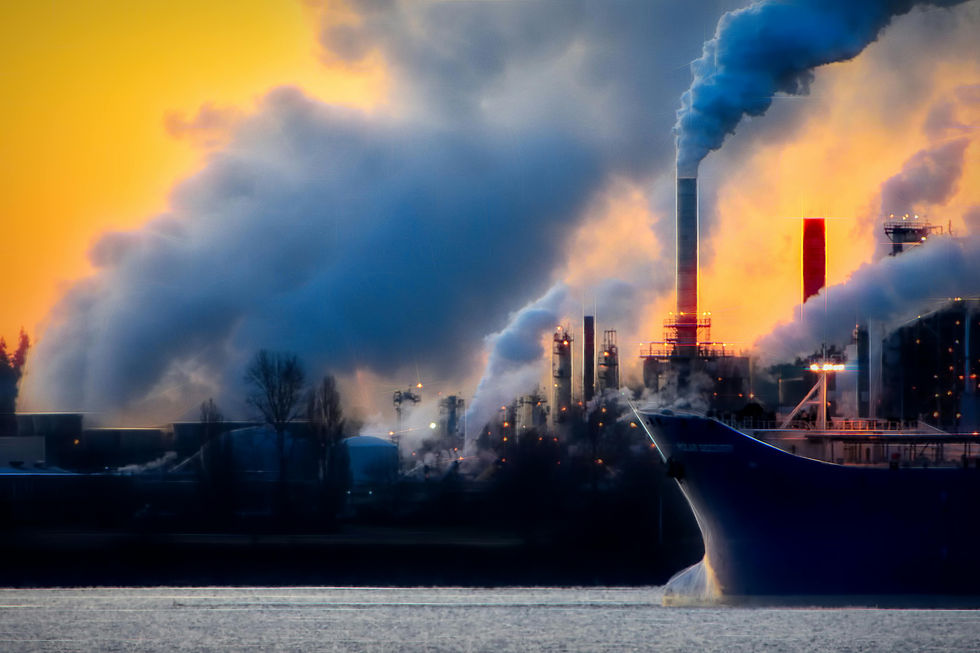
Air Pollution in the United States: Current Challenges, Causes, and Future Outlook
1. What Is Air Pollution? Definition and Key Concepts
Air pollution refers to the presence of harmful substances in the atmosphere that can negatively impact human health, ecosystems, and the climate.In the United States, air pollution mainly stems from the burning of fossil fuels, industrial emissions, vehicle exhaust, and natural events such as wildfires.
The most common pollutants include:
PM2.5: Fine particulate matter smaller than 2.5 micrometers that can penetrate deep into the lungs and bloodstream.
Ozone (O₃): Formed when sunlight reacts with pollutants like nitrogen oxides and volatile organic compounds; it irritates the respiratory system.
Nitrogen Oxides (NOₓ) and Sulfur Dioxide (SO₂): Common byproducts of power plants and diesel engines.
The U.S. Environmental Protection Agency (EPA) uses the Air Quality Index (AQI) to measure pollution levels nationwide. An AQI above 100 is considered unhealthy for sensitive groups, and anything above 200 is unhealthy for everyone.
2. The Current State of Air Pollution in the U.S.
Although the U.S. has made major progress since the 1970s, air pollution remains a persistent problem in certain regions. According to the American Lung Association’s 2024 “State of the Air” report, cities in California—Los Angeles, Bakersfield, and Fresno—continue to rank among the most polluted in the country.
Key Insights:
West Coast: Wildfires and heatwaves worsen ozone and particulate pollution.
Midwest: Coal-burning power plants contribute to higher levels of sulfur dioxide.
East Coast: Dense traffic and industrial zones still struggle with PM2.5 levels.
During the COVID-19 lockdowns, air quality temporarily improved due to reduced traffic. However, as economic activity rebounded, pollution levels began to rise again.
3. Major Causes of Air Pollution in the U.S.
Industrial Emissions and Energy ProductionPower plants that burn coal, oil, and natural gas emit large amounts of nitrogen oxides and sulfur dioxide—key components of smog and acid rain.
Transportation and Vehicle ExhaustThe U.S. remains heavily dependent on cars and trucks. Vehicle emissions release carbon monoxide, hydrocarbons, and particulates, all of which degrade air quality.
Wildfires and Climate ChangeIncreasing temperatures and prolonged droughts have led to more frequent and intense wildfires, especially in California and Oregon. These fires emit vast amounts of PM2.5, reducing air quality across entire states for weeks at a time.
4. Health and Economic Impacts of Air Pollution
Air pollution is not just an environmental issue—it’s a public health crisis. Studies have linked long-term exposure to poor air quality with:
Chronic respiratory diseases (asthma, bronchitis)
Heart attacks and strokes
Pregnancy complications and developmental issues in children
The American Thoracic Society estimates that air pollution causes tens of thousands of premature deaths annually in the U.S. The economic toll is equally alarming: increased healthcare costs, lost productivity, and environmental cleanup expenses collectively cost billions of dollars each year.
5. Government and Public Initiatives to Reduce Pollution
Since the Clean Air Act was passed in 1970, the U.S. has cut key air pollutants by more than 70%. The EPA enforces emission standards, monitors air quality at over 4,000 sites, and publishes real-time AQI data.
Key federal and state actions include:
Tax incentives for renewable energy and electric vehicles
Tightened emissions standards for power plants and vehicles
Air monitoring networks that alert the public during pollution spikes
Nonprofit organizations like the American Lung Association and citizen apps like AirNow empower individuals to track air quality and advocate for cleaner air policies.
6. Future Outlook: Clean Energy and Sustainability Pathways
America’s goal of achieving net-zero carbon emissions by 2050 represents a major step toward cleaner air. Key strategies include:
Expanding solar and wind energy production
Promoting electric vehicles and public transportation
Using AI and satellite data for real-time pollution monitoring
Public education also plays a crucial role—encouraging lifestyle changes, greener cities, and stronger community action will be vital for maintaining long-term improvements.
7. Frequently Asked Questions (FAQ)
Q1: Which U.S. city has the worst air pollution?A: As of 2024, Los Angeles, Bakersfield, and Fresno rank among the most polluted cities in the country.
Q2: How does the U.S. government monitor air quality?A: The EPA operates a national monitoring network and provides daily updates at AirNow.gov.
Q3: Can air pollution affect mental health?A: Yes. Recent research suggests long-term exposure may increase the risk of anxiety and depression.
Q4: Do electric vehicles really reduce air pollution?A: Yes, especially when powered by renewable energy, EVs significantly reduce emissions from transportation.
Q5: How can individuals protect themselves from air pollution?A: Check daily AQI levels, use indoor air purifiers, avoid outdoor exercise on high-pollution days, and wear protective masks if necessary.
Q6: Will America’s air quality continue to improve?A: With cleaner energy technologies and stricter regulations, experts predict steady improvement over the next decade.
8. Conclusion: Building a Cleaner and Healthier Future Together
While the U.S. has made significant strides in reducing air pollution, new challenges—like climate change and growing energy demand—require ongoing innovation and cooperation.By embracing renewable energy, investing in sustainable transport, and raising public awareness, America can secure a cleaner, healthier, and more resilient future for generations to come.
🔗 External Resource:For global air quality comparisons, visit the World Health Organization’s Air Pollution Data Portal:https://www.who.int/health-topics/air-pollution

The discussion about PM2.5 and long-term health effects reinforces that air pollution should be viewed as a major public health challenge. Continued interdisciplinary research in environmental health is essential to better understand exposure risks and support evidence-based prevention strategies.